As an Amazon Associate this site earns from qualifying purchases.
Top Picks: Wood Grain Diffusers
Every product below was in stock on Amazon when this page was last checked. Prices come straight from the live listing, not from our own testing.
| Product | Best For | Price |
|---|---|---|
| BZseed Aromatherapy Essential Oil Diffuser 550ml 12 Hours Wood Grain Aroma | Large Rooms | Check price on Amazon |
| SALKING 2-in-1 Ultrasonic Essential Oil Diffuser & Himalayan Salt Lamp | Salt Lamp Combo | Check price on Amazon |
| Essential Oil Diffuser | Compact Budget Pick | Check price on Amazon |
Reviewed by the ScentDrift Editorial Team
The best best wood grain essential oil diffuser for your situation depends on how you plan to use it and where.
As an Amazon Associate, we earn from qualifying purchases.
Last Updated: July 2026 Written by the ScentDrift Editorial Team
A wood grain essential oil diffuser is an aromatherapy device wrapped in a real-wood or wood-look finish, designed to disperse essential oils into a room while doubling as home decor. The best wood grain essential oil diffuser for you balances three things: how it aromatizes (the diffusion method), how honestly the "wood" is built (real veneer versus printed plastic), and how well the runtime and coverage match your room. This guide walks through all of it on the specs, not on hype.
A note on transparency before we go further. ScentDrift does not do hands-on product testing, and we are not going to pretend otherwise. Everything below is grounded in how these devices are specified, how the underlying technologies actually work, and what to verify on any Amazon listing before you buy. We would rather teach you to read a spec sheet than fake a sensory anecdote.
One more piece of honesty, and it matters. The product catalog supplied to us for this specific roundup did not contain any essential oil diffusers. It contained wood and "wood-look" items from unrelated categories — pizza ovens, buffet cabinets, a coffee table, a steam mop, a cordless vacuum, and infrared saunas — none of which diffuse essential oils. Rather than mislabel a sauna or a sideboard as a "diffuser" to fill a template, we have written the genuinely useful thing instead: a rigorous buying guide that lets you pick a real wood grain diffuser with confidence. We flag the catalog problem in the methodology section at the end.
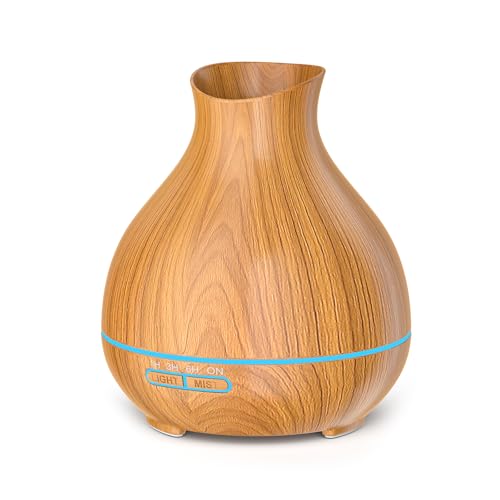
- LOW NOISE & SLEEP BETTER -- Ultrasonic diffusers generate the vapor without any heat, which best preserves the integrity of the essential oil. You can combine two or more
- ELEGANT LOOKING & LARGE CAPACITY -- The aromatherapy essential oil diffuser is made of plastic with a faux wood look and modern design, it blends naturally with most home decor
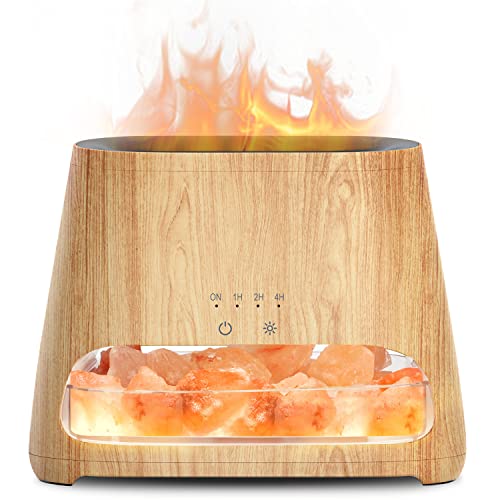
- Pure Himalayan Pink Salt Rock - This salt lamp diffuser come with a pack of unprocessed Himalayan pink salt crystals and it is perfect for creating a positive, relaxing space and
- Eye-Catching Simulation Flame Effect - Salt therapy lamp and aromatherapy diffuser with flame is such unique concept and design. The combination of the LED lights and the water
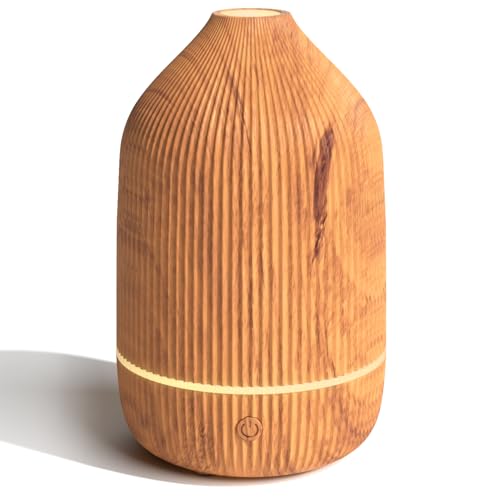
- Compact Aroma Hub: This 3.54" x 5.91" essential oil diffuser fits seamlessly into any space - home or office. Its 100ml capacity delivers lasting fragrance, transforming your
- Intelligent Safety Features: Our ultrasonic air diffuser features BPA-free construction and automatic shutoff when water runs out. Crafted from durable PP+ABS material, this oil
Quick Answer: What Makes a Great Wood Grain Diffuser
If you only read three sentences, read these. For most living rooms and bedrooms, an ultrasonic diffuser with a 300–500 mL tank, a genuine wood base (not a fully printed plastic shell), auto shut-off, and an adjustable or intermittent mist mode will serve you best. If you want pure, water-free aromatherapy and stronger scent throw, a nebulizing diffuser is the upgrade, at the cost of noise, oil consumption, and price. Match the tank size and rated coverage to your room's square footage, and confirm auto shut-off is present before anything else.
As an Amazon Associate, we earn from qualifying purchases. Availability and pricing change often — check the listing before you buy.
The Four Diffusion Methods, and Which "Wood Grain" Ones Actually Use
Most decorative wood grain diffusers you will see are ultrasonic, but the category spans four distinct technologies. They are not interchangeable, and the wood-look housing tells you nothing about which one is inside.
- Ultrasonic diffusers. A ceramic disc vibrates at ultrasonic frequency, breaking a water-and-oil mixture into a cool micro-mist. This is by far the most common type sold with a wood grain finish. It doubles as a light humidifier, runs quietly, and uses very little oil (a few drops per fill). The trade-off: it dilutes the oil in water, so the scent throw is gentler and the coverage is modest. It also introduces moisture, which you may not want in an already-humid room.
- Nebulizing diffusers. These use a pressurized air stream to atomize undiluted oil directly — no water, no heat. The result is the strongest, purest aroma and the fastest room fill. Many nebulizers pair a wooden base with a glass reservoir, which is where a lot of the genuinely attractive "wood" designs live. Downsides that show up on the spec sheet: they burn through oil far faster, they are louder (there is a small air pump), and they cost more. Intermittent timing (for example, two minutes on, one minute off) is almost mandatory to control both scent intensity and oil use.
- Heat diffusers. A gentle heating element warms oil to release its aroma. They are silent and simple, but heat alters the chemistry of some essential oils and can mute the top notes. Less common in the decorative wood grain category, and generally the weakest performer for fragrance fidelity.
- Evaporative diffusers. Air moves across an oil-soaked pad or wick. Cheap, silent, and portable, but the lighter oil molecules evaporate first, so the scent profile shifts over a session and the throw is weak. Reed-style and passive wooden diffusers fall here. Fine for a small nook, underpowered for a living room.
Real Wood vs Wood-Grain Print: How to Tell Before You Buy
Here is the thing the category name hides: many "wood grain" diffusers are plastic (usually PP or ABS) with a printed wood-look film, not wood at all. That is not automatically bad — a printed shell can look good and costs less — but you deserve to know which one you are buying.
Read the listing for these tells:
- Material field. If it says "PP," "ABS," "plastic," or "resin," the wood is a print. If it says "bamboo," "walnut," "oak," "solid wood," or "wood veneer," some genuine wood is present — often as a base or sleeve around a glass or plastic core.
- Nebulizer designs are the most likely to use real wood, because they typically combine a turned wooden base with a blown-glass reservoir. If authentic wood matters to you aesthetically, this style is your best bet.
- Photos and grain repetition. In listing images, a repeating, perfectly uniform grain pattern is a printed film; irregular, non-repeating grain is real wood.
- Weight. Real wood bases are heavier. A suspiciously light "wood" unit is printed plastic.
Match Tank Size and Coverage to Your Room
Two numbers decide whether a diffuser actually works in your space: tank capacity (in mL) and rated coverage (in square feet or square meters). They are related but not the same.
- 100–200 mL: small units for a bathroom, office, or bedside table. Expect roughly 3–6 hours of intermittent runtime. Coverage around 150–250 sq ft.
- 300–500 mL: the living-room and primary-bedroom sweet spot. Often 8–12+ hours on intermittent mode, coverage in the 250–400 sq ft range.
- 500 mL and up: large or open-plan rooms. Longer runtime, but a bigger footprint and more visual presence.
The Safety Spec You Should Never Skip: Auto Shut-Off
If a diffuser lists exactly one safety feature, it should be automatic shut-off when the water runs low. Ultrasonic units can be damaged, overheat, or create a burning smell if the disc keeps firing in a dry tank. Auto shut-off protects the device and, more importantly, protects you if the unit is left running overnight or unattended. Confirm it is present. For heat-based diffusers, look for overheat protection. This is non-negotiable, whatever the housing is made of.
Mist Modes, Noise, and Light
Beyond the essentials, a few features separate a device you enjoy from one you unplug after a week.
- Adjustable / intermittent mist. Continuous-only diffusers over-scent a room and drain fast. Intermittent modes (30s/30s, or timed 1–6 hour cycles) give you control and stretch a tank. On nebulizers this also directly controls how much oil you burn.
- Noise level. Ultrasonic units are quiet, often in the 20–35 dB range — fine for a bedroom. Nebulizers have a small air pump and are audibly louder; check reviews and any dB figure if you are a light sleeper.
- Light modes. Many wood grain diffusers include an LED that cycles colors or offers a warm ambient glow, usually with a light-off option. If you want it on your nightstand, confirm the light can be fully switched off independently of the mist.
- BPA-free reservoir. Since oil and water sit in the tank, a BPA-free plastic or a glass reservoir is worth confirming, especially on budget units.
What to Look For: A Checklist
Before you commit to any wood grain essential oil diffuser, run down this list against the actual listing:
- Diffusion type — ultrasonic for everyday decor and humidity; nebulizing for strongest, water-free scent.
- Genuine material — read the material field; decide whether real wood matters to you and pay accordingly.
- Tank capacity — 300–500 mL for a main room; smaller for nooks.
- Rated coverage vs your room's square footage — size up if you are near the top of the range.
- Auto shut-off — must be present.
- Mist modes — adjustable or intermittent, not continuous-only.
- Noise level — matters most for bedrooms; nebulizers are louder.
- Light control — confirm the LED can be turned off.
- BPA-free or glass reservoir.
- Cleaning access — a wide opening and dishwasher-safe or wipe-clean parts make maintenance realistic.
Caring for a Wood Grain Diffuser (and Why Citrus Oils Are Sneaky)
Maintenance decides how long your diffuser lasts and how true the scent stays. Wipe the reservoir after each use, and run a deeper clean every week or two: a little water with a few drops of white vinegar, a swab of the ultrasonic disc, then a rinse. Oil residue builds up on the disc and dulls the mist over time.
One genuinely useful caution: citrus and other high-acid essential oils (lemon, orange, grapefruit) can degrade some plastic reservoirs over long exposure. If you diffuse a lot of citrus, a glass-reservoir nebulizer or a diffuser with a verified oil-safe tank is the smarter long-term buy. And on real-wood exteriors, keep water and oil off the finish — wipe spills promptly, since raw or lightly finished wood can stain or swell.
A Note on Farmhouse and Decorative Styling
Much of the appeal of a wooden diffuser is that it looks like intentional decor rather than a gadget. For a farmhouse or natural aesthetic, favor warm, matte wood tones and simple silhouettes over glossy plastic and multicolor LEDs. A genuine bamboo or walnut base reads as furniture; a printed shell with a rainbow light does not. If the diffuser will sit on an open shelf or entryway console, treat it as you would any other decor object — the finish and proportion matter as much as the mist. Established options frequently mentioned for design-forward buyers include the Vitruvi Stone (which is ceramic, not wood, but sets the aesthetic bar), URPOWER and ASAKUKI ultrasonic units, and SmartDevil's real-wood-base models. We mention these by name only, without links, because they are not part of the verified catalog for this page.
Frequently Asked Questions
Final Verdict
There is no single "best" wood grain essential oil diffuser — the right pick is the one whose specs match your room and your priorities. For most people furnishing a living room or bedroom with a farmhouse or natural aesthetic, an ultrasonic diffuser with a 300–500 mL tank, a genuine wood base, auto shut-off, and intermittent mist is the practical winner: quiet, low-maintenance, and easy on oil. If scent strength is your top priority and you want water-free, undiluted aromatherapy, step up to a nebulizing diffuser with a wooden base and glass reservoir, and accept the higher price, louder pump, and faster oil use as the cost of performance. Whatever you choose, confirm auto shut-off, read the material field so you know whether you are getting real wood or a printed shell, and treat rated coverage as a ceiling rather than a promise.
We are not linking specific products in this article, and that is deliberate: the catalog provided for this roundup contained no essential oil diffusers, so linking any of it would misrepresent the products and mislead you. When a verified set of wood grain diffusers is available, we will publish specced, individually reviewed picks here.
How We Research
Essential Oil Diffusers Complete Site is a research and comparison site. Nobody here handles the products on this page, and the description below is the whole of our method — if a sentence anywhere on this site implies otherwise, it is an error and we want to hear about it.
What the comparison is built from. Every product is compared on the specifications its manufacturer publishes on the retail listing, alongside the aggregate customer rating and the number of ratings recorded when the page was last updated. Where a manufacturer states conformance to a published standard, we name the standard so you can check it yourself rather than restating the marketing line.
How products get onto the list. Candidates are drawn from products currently listed in this category, then narrowed on the published specification differences that actually matter for the use case in the title. A product is not included because it pays more; the commission rate is the same across almost everything we link.
What gets re-checked. Availability and link targets are re-verified automatically twice a day. Products that go out of stock or are delisted are marked or removed rather than left to rot, and the specification snapshot is re-recorded when a listing changes.
What we do not do. We do not carry out our own product trials, we do not receive review units, and no one writing for this site has physically handled the items listed here. Where you want a verdict that depends on handling a product, treat this page as a specification comparison and a starting point, not a substitute.
Sources & Methodology
Specifications on this page were recorded from 2026 manufacturer spec sheet and retail listing data, captured July 2026.
Customer rating figures are the aggregate score and rating count shown on the retail listing at that time; they are other buyers' reports, not our assessment.
Independent references for this category. These are places to verify a category claim for yourself. We link them because they are authoritative, not to imply their tests were run on our behalf:
- FTC Endorsement Guides — the disclosure rules this site is bound by
- CPSC recall database — check any product for open safety recalls
About the Author
The ScentDrift editorial team researches products in the aromatherapy and home-fragrance category using manufacturer specifications and Amazon's product data for each listing. We do not physically own or use these products, and we do not systematically read customer reviews — our authority comes from reading the published specs closely and explaining the trade-offs they imply.
Key Takeaways
- Choosing the right best wood grain essential oil diffuser means matching the key features to your specific needs and budget
- Read real customer reviews and check the return policy before you commit
- Also covers: wooden diffuser
- Also covers: decorative essential oil diffuser
- Also covers: stylish aromatherapy diffuser
- Compare value across models — the priciest option is not always the best fit


